 MElkhateeb
➡️ Introduction
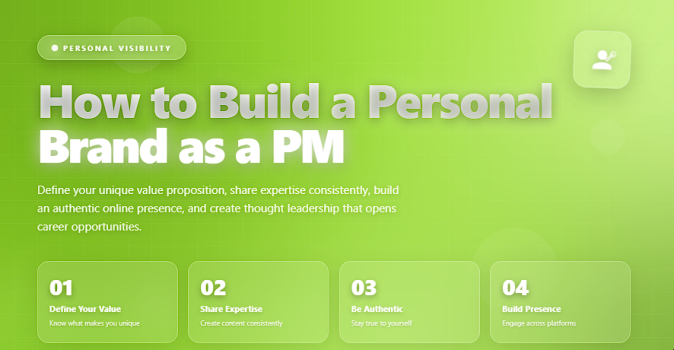
In today’s competitive environment, project managers are no longer defined only by certifications or technical skills. What truly sets you apart is your personal brand — the perception people have of your leadership, your reliability, your communication style, and the value you consistently deliver.
Top 5 Project Management Software
A strong personal brand helps you:
✔️ attract better career opportunities
✔️ build trust with executives and stakeholders
✔️ become a recognized thought leader in your field
✔️ strengthen your professional network
✔️ stand out in interviews, promotions, and consulting work
This article explains how project managers at any level can build a strong, recognizable, and influential personal brand.
⭐ What Is a Personal Brand for a PM?
A personal brand is the professional identity you intentionally create — how others perceive your expertise, leadership, values, and work style.
For project managers, your brand is built on:
✔️ how you communicate
✔️ your decision-making style
✔️ your time and team management abilities
✔️ how you solve problems
✔️ the results you deliver
✔️ the trust you build
Your brand already exists. The key is to shape it intentionally.
⭐ Why Personal Branding Matters for Project Managers
A well-crafted personal brand helps you:
✔️ be viewed as a reliable leader
✔️ gain stakeholder confidence faster
✔️ secure high-visibility projects
✔️ build influence beyond your job title
✔️ position yourself as a subject-matter expert
✔️ attract new job, consulting, or speaking opportunities
In short, your personal brand becomes your career accelerator.
⭐ Core Elements of a Strong Personal Brand
The foundational pillars every project manager needs.
| Element | Description | Impact |
|---|---|---|
| Professional Identity | How you want to be known (e.g., Agile PM, problem-solver, communicator). | Shapes first impressions. |
| Expertise & Skills | Your strongest technical and leadership capabilities. | Builds trust and credibility. |
| Communication Style | Clear, concise, structured communication. | Sets you apart as a leader. |
| Thought Leadership | Sharing insights, writing posts, teaching others. | Positions you as an expert. |
| Consistency & Values | Your decision-making, ethics, and professional behavior. | Strengthens long-term reputation. |
⭐ How to Build a Strong Personal Brand (Step-by-Step)
✔️ 1. Define What You Want to Be Known For
Your brand should reflect your strengths and aspirations:
✔️ Agile project delivery
✔️ risk management expertise
✔️ leadership + team empowerment
✔️ crisis communication
✔️ digital transformation projects
Choose a clear identity and position yourself around it.
✔️ 2. Audit Your Current Reputation
Ask yourself:
✔️ How do colleagues describe me?
✔️ What do executives rely on me for?
✔️ Where do I excel and where do I struggle?
Your current reputation is the starting point.
✔️ 3. Build a Strong Professional Presence Online
Platforms to focus on:
✔️ LinkedIn (non-negotiable for PMs)
✔️ Medium / personal blog
✔️ YouTube or short-form videos if you teach
Share content regularly about:
✔️ project challenges
✔️ leadership insights
✔️ productivity methods
✔️ lessons learned
✔️ PM frameworks
This builds authority.
✔️ 4. Strengthen Your Communication Style
Your brand is amplified by how well you communicate:
✔️ be concise
✔️ avoid jargon
✔️ summarize complexities clearly
✔️ use visuals when possible
✔️ always communicate next steps
Great communicators become trusted leaders.
✔️ 5. Become Known for Delivering Results
Your brand grows fastest when you consistently deliver:
✔️ projects completed on time
✔️ accurate reporting
✔️ calm leadership under pressure
✔️ smooth stakeholder management
People remember results more than certifications.
✔️ 6. Share Knowledge & Mentor Others
Strong personal brands come from giving value:
✔️ mentor juniors
✔️ share templates
✔️ post practical lessons
✔️ speak at events
✔️ contribute to communities
Teaching builds authority rapidly.
✔️ 7. Build a Powerful Professional Network
Great brands are amplified through strong relationships.
Connect with:
✔️ PMOs
✔️ industry leaders
✔️ Agile coaches
✔️ technology experts
✔️ executives
Be visible in the right spaces.
✔️ 8. Stay Consistent Over Time
Branding is not a one-time effort — it is built through repeated actions:
✔️ consistent communication
✔️ consistent results
✔️ consistent values
✔️ consistent improvement
Repetition builds trust.
⭐ Final Thoughts
A personal brand is one of the most valuable assets a project manager can build.
It strengthens your credibility, increases your influence, and opens doors to opportunities that technical skills alone cannot achieve.
Your personal brand is your leadership footprint —
the legacy you leave in every project and every interaction.