 MElkhateeb
➡️ Introduction
In today’s competitive job market, technical competence alone is no longer enough. Project managers who stand out — the ones who attract better opportunities, stronger networks, and higher career mobility — are those who build a distinct personal brand.
Top 5 Project Management Software
Your personal brand is your professional identity, the story people remember about your skills, values, leadership style, and achievements. It positions you not just as a practitioner, but as a trusted voice in project management.
This guide explains how to build, strengthen, and promote your personal brand as a PM, with actionable steps you can start today.
⭐ Why Personal Branding Matters for Project Managers
A strong personal brand helps you:
✔️ Attract better job roles and promotions
✔️ Earn trust from stakeholders and executives
✔️ Stand out in crowded project management environments
✔️ Build authority in topics like Agile, risk management, AI-driven PM, or leadership
✔️ Grow a professional following and network
✔️ Open doors to consulting, freelancing, or speaking opportunities
Personal branding isn’t self-promotion — it’s strategic visibility.
⭐ Core Elements of a Strong PM Personal Brand
The building blocks that define your professional identity.
| Element | Description | Why It Matters |
|---|---|---|
| Professional Identity | How you present your role, style, and expertise. | Creates the first impression others remember. |
| Area of Specialization | Agile, risk, PMO, software delivery, etc. | Helps you stand out in a competitive field. |
| Communication Style | How you speak, write, and engage professionally. | Consistency builds trust and recognition. |
| Online Presence | Your LinkedIn, portfolio, posts, and digital footprint. | Most opportunities begin online. |
| Value Proposition | What you are known for delivering. | Shows why people should trust and hire you. |
⭐ Step-by-Step Guide to Building Your Personal PM Brand
✔️ 1. Define Your Professional Identity
Ask yourself:
- What type of project manager am I?
- What is my unique leadership style?
- Who do I want to be recognized as?
Example identity statements:
✔️ “I’m an Agile PM who simplifies complex delivery for fast-moving teams.”
✔️ “I’m a risk-focused PM who ensures predictable and controlled outcomes.”
✔️ 2. Choose Your Area of Expertise
A powerful personal brand is focused, not broad.
Choose one or two areas such as:
✔️ Agile & Scrum
✔️ AI-Driven Project Management
✔️ PMO & Governance
✔️ Risk Management
✔️ Stakeholder Engagement
✔️ Enterprise Transformations
Specialization = authority.
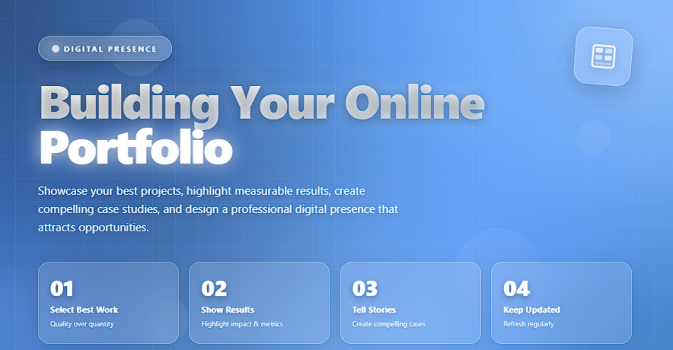
✔️ 3. Build a Strong Online Presence
Your digital footprint is your modern business card.
Strengthen your visibility on:
✔️ LinkedIn
✔️ Personal website or online portfolio
✔️ Project management communities
✔️ Thought-leadership platforms
Share value-driven content regularly:
- insights
- lessons learned
- templates
- frameworks
- real leadership experiences
✔️ 4. Showcase Your Achievements
Your personal brand must show real evidence of your capability:
✔️ case studies
✔️ before/after project improvements
✔️ dashboards or reporting samples
✔️ certificates and credential badges
✔️ templates you created
✔️ leadership outcomes
Don’t hide your wins — communicate them professionally.
✔️ 5. Build Thought Leadership
To be known as a trusted PM voice:
✔️ publish educational posts
✔️ share PM tips and lessons
✔️ create infographics
✔️ write articles
✔️ teach or mentor juniors
✔️ speak in online events
Thought leadership attracts connections, clients, and opportunities.
✔️ 6. Strengthen Your Network
Personal brand grows fastest when you connect intentionally:
✔️ comment thoughtfully on PM discussions
✔️ engage with experts in your field
✔️ join virtual events
✔️ collaborate on content
✔️ support others’ achievements
Networking amplifies your visibility and reputation.
✔️ 7. Stay Consistent
Branding is not a one-time activity.
Your message, visuals, tone, and topics should remain consistent across all platforms.
Consistency builds trust, recognition, and credibility.
⭐ Common Mistakes to Avoid
❌ Trying to look like every other project manager
❌ Posting online only once per month
❌ Hiding achievements due to fear of judgement
❌ Not specializing in anything
❌ Inconsistent messaging across platforms
❌ Lack of professional tone
⭐ Final Thoughts
Your personal brand is one of your greatest long-term assets as a project manager.
It helps people remember you, trust you, and recommend you.
When done correctly, it unlocks:
✔️ better roles
✔️ higher income
✔️ stronger influence
✔️ speaking and consulting opportunities
✔️ long-term professional growth
Start building your brand today — not when you need a job, but while you’re creating your future.