 MElkhateeb
➡️ Introduction
Trust is the foundation of high-performing project teams.
When trust is strong, communication flows easily, collaboration improves, and team members support each other even under pressure.
When trust is weak, everything becomes difficult — decisions slow down, conflicts increase, and people hesitate to share concerns or ideas.
Top 5 Project Management Software
As a project manager, your role is not only to plan and control work — but to create an environment where trust grows naturally through clarity, consistency, and respect.
✅ Why Trust Matters in Project Teams
✔️ Enhances collaboration and teamwork
✔️ Reduces conflict and misunderstandings
✔️ Improves accountability and ownership
✔️ Encourages innovation and problem-solving
✔️ Strengthens engagement and commitment
✔️ Allows the team to navigate challenges with confidence
Trust is not a “soft skill” — it is a productivity multiplier.
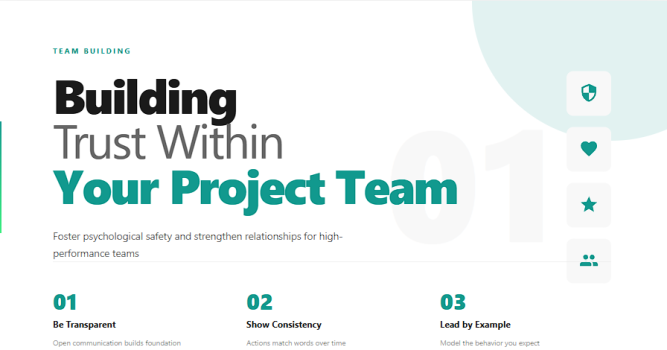
✅ Key Strategies to Build Trust Within Your Team
✅ Effective Trust-Building Strategies
Practical methods to strengthen reliability, openness, and collaboration.
| Strategy | Why It Works | How to Apply It |
|---|---|---|
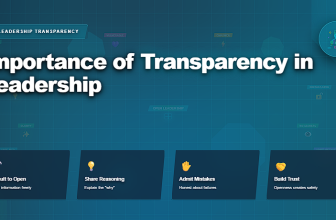
| 1. Lead With Transparency | Reduces uncertainty and builds confidence in your decisions. | Share context, decisions, risks, and reasoning openly with the team. |
| 2. Encourage Open Communication | Teams trust leaders who create safe spaces for honest discussion. | Use stand-ups, retrospectives, and feedback loops without judgment. |
| 3. Be Consistent | Predictability strengthens reliability and reduces stress. | Follow through on commitments and keep messaging aligned. |
| 4. Recognize Contributions | Makes people feel valued and increases team loyalty. | Highlight achievements regularly — both individual and collective. |
| 5. Set Clear Expectations | Removes ambiguity and prevents misunderstandings. | Define roles, responsibilities, priorities, and success criteria early. |
| 6. Empower Ownership | Shows trust in people’s capability and judgment. | Delegate authority, not just tasks — let team members decide how to work. |
| 7. Address Issues Quickly | Prevents small problems from turning into distrust. | Resolve conflicts promptly using structured techniques. |
✅ Steps to Build Trust as a Project Manager
✔️ Step 1 — Start with honesty
Avoid hiding risks, delays, or challenges. Transparency builds long-term credibility.
✔️ Step 2 — Listen actively
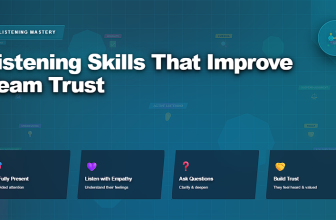
Show that opinions matter. Allow people to speak openly and without fear of criticism.
✔️ Step 3 — Make decisions fairly
Avoid favoritism and base decisions on data and agreed-upon criteria.
✔️ Step 4 — Follow through consistently
If you commit to something, deliver. If you change direction, explain why.
✔️ Step 5 — Create shared ownership
Involve the team in planning, decision-making, and problem-solving.
✔️ Step 6 — Recognize and appreciate effort
Small, frequent, genuine recognition builds loyalty faster than one big celebration.
✔️ Step 7 — Protect the team
Shield your team from unnecessary pressure, noise, or unproductive escalations.
✅ Tools That Help Build Trust
✔️ Monday.com – Transparent task ownership and progress visibility
✔️ Miro – Collaborative workshops and team alignment sessions
✔️ Microsoft Teams / Slack – Facilitates quick, open communication
✔️ Smartsheet – Shared dashboards and documentation
✔️ Power BI – Transparency through visual reporting
✅ Common Trust-Destroying Mistakes to Avoid
❌ Micromanaging
❌ Inconsistency between words and actions
❌ Hiding risks or delays
❌ Blaming individuals instead of solving problems
❌ Ignoring conflict
❌ Favoritism or biased decision-making
These behaviors break trust quickly and take a long time to repair.
✅ Best Practices
✔️ Treat every team member with respect
✔️ Communicate clearly, calmly, and regularly
✔️ Maintain fairness and objectivity
✔️ Keep your commitments
✔️ Build a culture of feedback and continuous learning
✔️ Encourage psychological safety
✅ Final Thoughts
Trust doesn’t appear overnight — it grows through consistent actions, honest communication, and shared success.
When trust is strong, your team becomes faster, more resilient, and more collaborative.
Trust turns a group of individuals into a united project team.